

Posted on November 6, 2026
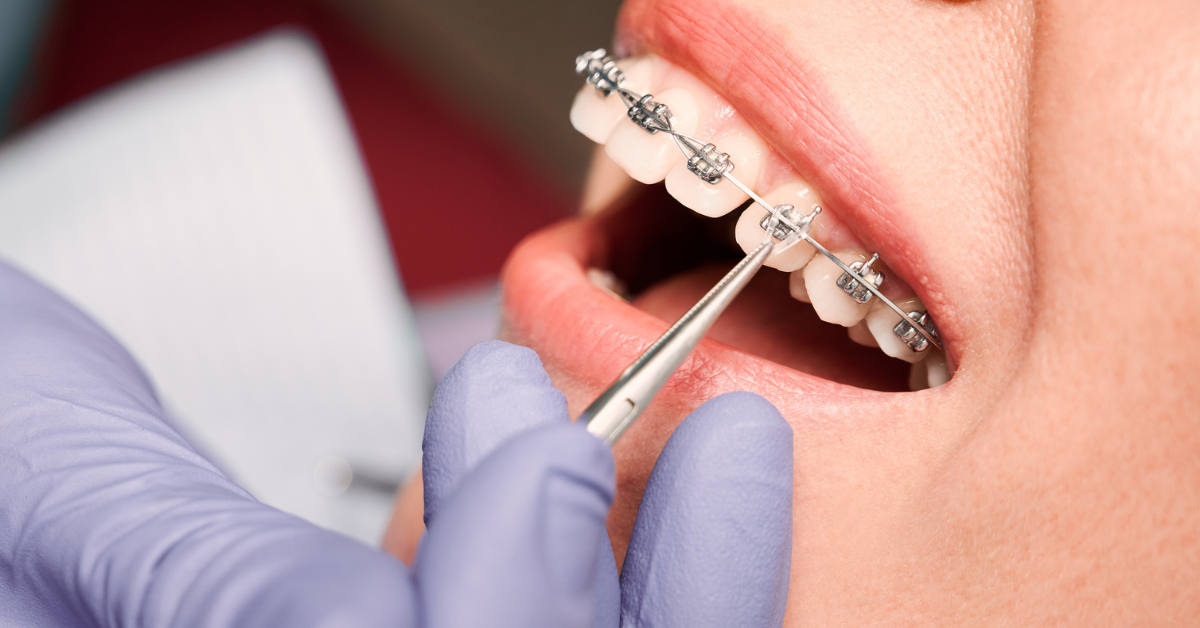
“How long will I have braces?” is usually the first question we hear at a consultation, whether the patient is a seven-year-old from Springfield, a teen from Burke, or an adult commuting in from Fairfax or Alexandria. The short version is that most people wear braces for about 18 to 24 months. But that average hides a wide range, and the factors behind it are mostly predictable.
Your own estimate depends on your bite, your age, and how closely you follow your treatment plan. The most accurate timeline comes after your orthodontist has reviewed your records, which is why we start every patient with a free consultation.
These are general ranges, not promises. Every smile is different.
Teeth move slowly and steadily, roughly a millimeter a month. Pushing harder doesn’t speed things up and can actually slow progress. A case that needs a lot of movement or space closure simply takes more time.
Straightening teeth in a jaw that fits together well is relatively quick. Correcting how the upper and lower jaws line up adds time, because it involves guiding growth, moving whole sections of teeth, or in some cases surgery.
Children and teens often move teeth a bit faster than adults, since their bone remodels more quickly. The difference is usually a matter of months, not years, and adults are often excellent at following instructions, which helps make up the gap. Individual biology varies too, and some people just respond faster.
This is the factor you control, and it matters a lot. Two patients with nearly identical starting smiles can finish months apart based on:
Some things help, and some are myths.
What can help:
What doesn’t help:
When we say treatment takes 20 months, we mean the time your braces are on. Afterward comes retention. Teeth naturally want to drift, so wearing your retainers as directed, nightly at first and then less often over time, is what keeps your new smile in place for the long run.
Can braces work in 6 months? For minor alignment issues where the bite is already good, yes. Be cautious about quick-fix programs marketed to everyone, since they may straighten only the front teeth without addressing the bite.
Do adults need braces for longer than kids? Sometimes slightly longer, because adult bone remodels more slowly and adults may have crowns, missing teeth, or gum concerns to plan around. Many adults make up that time with great consistency.
What happens if I miss an appointment? Progress can stall. Wires deliver gentle force for a limited period, so a long gap between visits can mean weeks with little movement.
When should my child get an orthodontic evaluation? Around age 7 is a good time for a first screening. It doesn’t mean braces will start right away. It simply lets us spot issues early and plan the best timing.
How much do braces cost? Cost depends on your treatment plan. Hudson Orthodontics offers flat-fee pricing, payment plans, and free consultations, so you’ll know what to expect before you commit. Visit our Finances & Insurance page for current details.
The best way to find out how long your braces will take is to have your smile evaluated. At Hudson Orthodontics, Dr. Hudson and Dr. Ho and our team welcome kids, teens, and adults from Springfield, Burke, Fairfax, Alexandria, Annandale, Lorton, and communities throughout Northern Virginia.


